15 Video Editing Secrets That Will Make Your Content Stand Out
Vinayak SP
5/05/2026
If you want to succeed in the digital world, you need to master video editing. Video editing is the process of transforming raw footage into engaging and polished content for various platforms and purposes. Whether you want to share your stories on social media, showcase your work on your website, or pursue a passion project, video editing can help you easily achieve your goals. Learning how to edit videos for beginners might seem scary at first, but once you get the hang of it, you'll wonder why you waited so long to start. Many creators who focus on video content creation often struggle with the technical aspects, but with the right approach, anyone can become a pro at video editing basics. For those looking to expand their online presence, check out YouTube channel ideas for viral video content that can help you stand out in the crowded digital space.
Video Editing Tips for Beginners —
Video editing is more than just cutting and pasting clips together. It is a creative and technical skill that can enhance the quality and impact of your video content. Video editing can help you tell a compelling story, convey a message, or showcase your talent. It can also help you reach a wider audience, increase engagement, and grow your brand. The video editing process might seem overwhelming at first, but with practice, you'll develop your own style and workflow that works for you.
In this article, we will explore 15 video editing tips for beginners that will improve your skills and help you create stunning videos. These tips will cover the basics of video editing, such as how to plan your project, choose the right editing software, organize your footage, and edit efficiently. It will also cover some advanced techniques, such as how to use transitions, sound effects, color grading, and text effects to add style and flair to your videos.
By following these tips, you can produce professional-quality content that stands out from the crowd and even boosts business growth. Understanding video editing techniques is essential for anyone looking to create engaging content that resonates with their audience.
Best Video Editing Tips for Beginners - Learn essential techniques to transform raw footage into professional-looking videos with these beginner-friendly tips and tools
15 Video Editing Techniques for Beginners to Create Stunning Content
Sharing 15 video editing tips for beginners that will take your skills to the next level and help you create amazing videos. These tips will cover different aspects of video editing, such as planning, editing tools, transitions, sound effects, color grading, and more. By applying these tips to your editing workflow, you can create professional-looking content that attracts attention and even drives business growth.
Jumpstart Your Video Editing Skills: 15 Beginner Tips and Techniques:
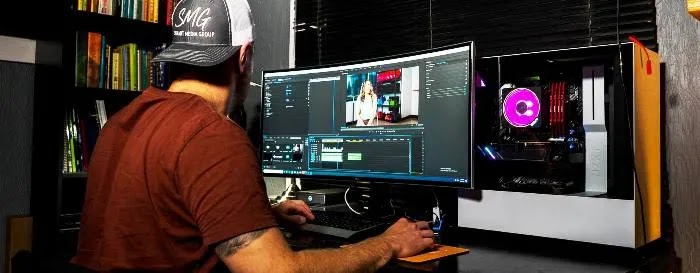
1. Invest in video editing tools
One of the most critical video editing tips for beginners is to invest in a video editor. High-quality software can make your video production more accessible and faster. You should also look for a video editor with no watermark as the latter is quite distracting and ruins your video quality. When exploring video editing software, it's important to find one that matches your skill level and project needs.
Many beginners make the mistake of choosing overly complex software that slows down their learning process. Instead, focus on beginner video editing tools that offer intuitive interfaces without sacrificing essential features.
1.1 Choose the right software for your needs
When selecting video editing software, consider your specific needs and the types of projects you will be working on. Some programs are better suited for certain things, like movie trailers, marketing videos, or music videos. Research the features and capabilities of each software to determine which one is the best fit for your needs. For those wondering about the best video editing software for beginners, options like Filmora, iMovie, and DaVinci Resolve offer user-friendly interfaces with powerful features.
If you're creating content for social media, consider how the software handles different aspect ratios and export settings. Many creators who focus on how to make professional videos start with simpler tools before moving to more advanced options like Adobe Premiere Pro.
1.2 Learn the basics of the chosen software
Once you have chosen your preferred video editing software, spend time familiarizing yourself with the interface and basic functionalities. Most programs offer tutorials and resources for you to get started. Learning the basics like trimming, resizing, adding effects, adjusting color, and others will increase your work speed and maximize the video quality.
Understanding video editing shortcuts for beginners can dramatically reduce your editing time and make the process more enjoyable. Many video editing tools have extensive online communities where you can find tips, tricks, and troubleshooting advice. Remember that mastering your chosen software is an ongoing process, so be patient with yourself as you learn the ropes of video editing skills.
2. Capture high-quality video footage
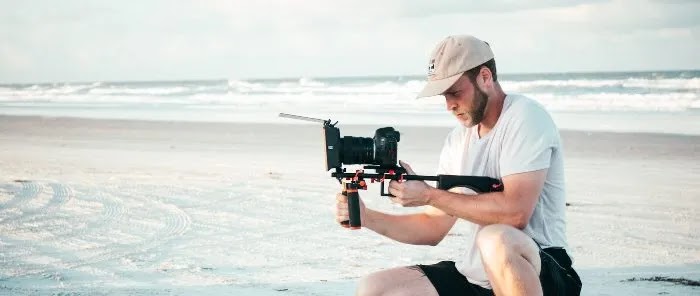
Capture high-quality video footage - Proper filming techniques and equipment selection to ensure your raw footage looks professional and makes editing easier
How good is your video footage plays a significant role in the final product. Capturing high-quality segments ensures you create polished and engaging video content. Many beginners focus too much on video editing tricks while neglecting the importance of good source material. Remember that even the most advanced video editing effects can't fully compensate for poorly shot footage.
Learning how to improve video quality starts before you even begin editing, so investing time in proper filming techniques will pay dividends throughout your entire video production workflow.
2.1 Invest in a high-quality camera
Investing in a quality camera is essential for capturing video footage. There are many different cameras available on the market, ranging from DSLRs to mirrorless cameras. Research the best options for your needs and budget before making a purchase. You don't need to break the bank to get good results - even modern smartphones can capture impressive footage when used correctly. When considering equipment for video editing for social media, focus on cameras that perform well in various lighting conditions and offer good audio capabilities.
Many successful creators who excel at how to create engaging video content started with basic equipment before upgrading as their skills and audience grew.
2.2 Learn proper shooting techniques
Knowing how to shoot video properly can greatly improve your footage. Learn about different shooting techniques, such as framing, lighting, and camera movement, to enhance your videos and make the editing process easier. Understanding the rule of thirds, proper exposure, and stable shooting techniques will give you much better raw material to work with.
For those interested in video editing techniques for engagement, remember that good shooting practices make it easier to implement these techniques later. If you're creating professional YouTube videos, learning these fundamental shooting techniques will significantly elevate your content quality and help you stand out in a crowded platform.
3. Organize your video clips
Before you actually start editing, it's essential to organize your video clips so you can quickly access them whenever you're ready to make a video. Creating a systematic approach to file management might seem tedious, but it's one of those video editing mistakes to avoid that many beginners learn the hard way. A well-organized project saves countless hours of searching for specific clips and helps maintain your creative flow throughout the video editing workflow.
Create a folder structure on your computer to keep your footage organized. This will save you time during the editing process and make it easier to locate specific clips when needed. Consider organizing by date, project, or scene type depending on your workflow. For creators working on increasing YouTube watch hours, having an organized system allows you to efficiently repurpose content and create variations without starting from scratch each time. Developing good organizational habits early in your video editing tutorial journey will pay off as your projects become more complex.
4. Edit for storytelling
Storytelling is one of the most important aspects of any video creation process. After all, the story you tell is what will capture and engage your viewers. To convey a powerful narrative, think of how each clip contributes to your story and take some time to review and revise your footage.
Many beginners focus so much on technical aspects that they forget about video editing storytelling techniques, which are ultimately what makes content memorable and shareable. The best video editing guide will always emphasize that technical skills serve the story, not the other way around.
4.1 Plan your story in advance
Get the clear idea of what kind of story you want to tell. This will help you determine which clips to include in your final video and how to arrange them to create a cohesive narrative. Creating a simple outline or storyboard before editing can dramatically improve your final product. For those learning how to edit videos for beginners, having a clear plan prevents the common problem of staring at your timeline without knowing where to start. When working on creating explainer videos, this planning stage becomes even more critical as you need to clearly communicate complex ideas in a limited timeframe.
4.2 Use b-roll to enhance your story
Video editors often use b-roll footage to add context and depth to the story. Use such shots to illustrate key points in your narrative or provide visual variety and keep your audience engaged. Understanding video editing b-roll techniques can transform a basic talking head video into something much more dynamic and professional.
When exploring video editing tips for social media, remember that platforms like Instagram and TikTok particularly reward content with varied visuals. Many successful creators who excel at creating engaging video content understand that b-roll isn't just filler but an essential storytelling tool that keeps viewers watching.
5. Start with a rough cut
Start with a rough cut - Building the foundation of your video by arranging clips in order before refining transitions and effects
When beginning the editing process, create a rough cut of your video. This involves arranging your clips in the desired order and trimming any unnecessary footage. With a rough cut in place, you'll be able to see the structure of your video and identify areas that need improvement. This approach is fundamental to video editing workflow for beginners as it prevents you from getting bogged down in details before establishing the overall flow of your content. Many professional video editing workflows follow this same basic structure, regardless of the complexity of the final product.
Then, you can fine-tune your video by synchronizing the visuals and audio, adding transitions between scenes, adjusting color or contrast, etc. This iterative approach is much more efficient than trying to perfect each element as you go. For creators focused on video editing techniques for engagement, this method allows you to quickly assess if your content maintains viewer interest before investing time in polishing details. When working on improving YouTube video SEO, having a solid rough cut first ensures your content structure supports good watch time metrics, which are crucial for ranking.
6. Make efficient cuts
Making cuts that don't draw attention to themselves and keep the audience focused on the content is a key part of editing. The video flows smoothly and the audience can more easily follow your story. Don't cut in the middle of a word or phrase, and avoid jerky transitions. Align your cuts with the rhythm of the music, if it is present in the video. These principles form the foundation of video editing basics that many beginners overlook in their rush to add flashy effects. Understanding how to make clean, purposeful cuts is essential for anyone learning how to edit videos for beginners.
6.1 Use the "J" and "L" cut techniques
"J" and "L" cuts create smooth transitions between clips. They involve changing the audio and video at different times, creating a more seamless and natural transition between shots. These techniques are particularly valuable in video editing for beginners as they can make your content feel more professional with minimal effort.
When exploring video editing techniques, J and L cuts are often mentioned as essential skills for creating interview-style content or documentaries. Many creators who focus on growing YouTube channels fast use these techniques to keep viewers engaged through better pacing.
6.2 Cut on action
Cutting on action is often used to create a more engaging flow in the video. By cutting from one shot to another as an action is occurring, you can create the illusion of continuous movement and maintain the viewer's interest. This technique is one of those video editing tricks that seems simple but has a profound impact on how professional your content appears. When learning how to make professional videos, cutting on action should be one of the first techniques you master.
For creators working on on-page SEO hacks for their video content, understanding these fundamental editing principles helps create content that keeps viewers watching longer, which improves performance metrics.
7. Use transitions effectively
Transitions help you create smooth and engaging videos by connecting different clips and scenes. However, it's essential to use transitions sparingly and intentionally to avoid overwhelming your audience. One of the most common video editing mistakes to avoid is using too many fancy transitions that distract from your content rather than enhancing it.
When learning how to use transitions in video editing, remember that simple is often better, especially for beginners who are just developing their video editing skills.
7.1 Choose appropriate transitions
Select transitions that complement your video's tone and style. Some common transitions include fades, wipes, dissolves, and others. Experiment with different transitions to find the ones that work best for your project. When considering video editing tips for social media, keep in mind that different platforms have different expectations - what works on YouTube might feel too slow for TikTok. Many creators who focus on Instagram video editing tips find that simple cuts and quick transitions perform better than elaborate effects.
7.2 Don't Overuse Transitions
Overusing transitions can make your video feel cluttered and disjointed. Stick to a few transitions that will help you move the story along, and keep them subtle so they don't distract from the content. This principle is fundamental to professional video editing - the best edits are often the ones viewers don't consciously notice.
When developing your video editing workflow, consider establishing a small palette of go-to transitions that match your brand style. For those learning video editing for beginners, mastering a few simple transitions is much more valuable than trying to use every effect available in your software.
8. Apply color correction
Color correction helps you to adjust the hue, saturation, and luminance of your video. You can use it to create a more natural look for your video, improve the quality, and match the colors in each shot. Understanding video editing color correction tips can dramatically improve the perceived quality of your content, even with basic footage. Many beginners focus on adding flashy effects while neglecting this fundamental aspect of video editing basics that professionals consider essential.
Adjust the exposure and contrast and correct the white balance of your footage to for accurate and consistent colors throughout your video. When exploring how to improve video quality, color correction should be one of your first steps, as it creates a consistent look that makes your content appear more professional.
For creators working on content for emerging technologies like spatial video, understanding color correction becomes even more important as these formats often require more precise color management to look their best.
9. Add text and graphics
Text on video draws attention to key points, creates a more dynamic visual style, and improves your storytelling. Use titles, captions, and different graphic overlays to emphasize your message and enhance the aesthetics of your video. Learning how to add text to videos effectively can significantly increase engagement, especially on platforms where many viewers watch without sound. When developing your video editing techniques, consider how text elements can reinforce your message and improve accessibility.
Choose clear and readable fonts for any text in your video so that your audience can easily understand the information you're presenting. When considering video editing tips for social media, remember that text needs to be large enough to read on mobile devices and should be positioned where it won't be obscured by platform UI elements.
For creators focused on optimizing visual content for search, including relevant keywords in your text overlays can provide additional SEO benefits.
10. Pay attention to audio
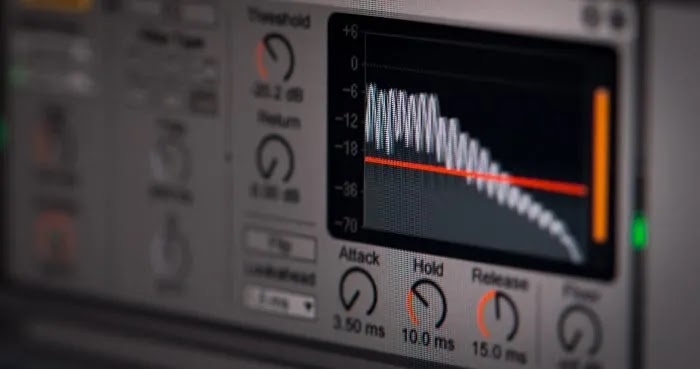
Pay attention to audio - Balancing sound levels, reducing background noise, and adding appropriate audio elements to create an immersive viewing experience
Audio is as much important as the video itself. No one wants to hear distorted audio or too much background noise. Balance the audio levels in your video, ensuring that dialogue, music, and sound effects are all at appropriate volumes. Understanding audio editing tips for videos is crucial because viewers will often tolerate lower video quality but will immediately click away from content with poor audio. When learning video editing basics, dedicating time to improving your audio work will have a bigger impact on viewer retention than almost any other skill.
This can help create a more immersive experience for your audience. When exploring video editing techniques for engagement, remember that audio cues can direct viewer attention and create emotional responses that visuals alone cannot achieve. For creators working on educational content, clear audio is especially important as viewers need to easily understand the information being presented without straining to hear.
11. Use music to set the mood
Music can make or break your video. Not only does it add atmosphere to your project, but it also serves as a cue that helps the audience know when to pay attention and when to relax. When learning video editing music selection tips, focus on choosing tracks that complement your content without overpowering it. Understanding how to effectively use music is a key component of video editing storytelling techniques that many beginners underestimate.
Choose a soundtrack that perfectly reflects the tone of your video and adds to the emotion you're trying to convey. Don't forget to adjust the volume so it doesn't overpower your dialogue or other audio elements. When considering video editing tips for social media, remember that music can help establish your brand identity when used consistently across your content. For creators exploring content licensing, it's important to use properly licensed music to avoid copyright issues that could result in your videos being muted or taken down.
12. Keep your audience in mind
Your viewers are the people you're creating the video for, so always think about how they'll experience your video. Consider their preferences, expectations, and needs as you make decisions about your video's content, style, and pacing. Keep your edits simple, and don't be afraid to experiment with new techniques. Understanding your audience is fundamental to how to create engaging video content that builds a loyal following. When developing your video editing workflow, regularly seek feedback from your target audience to refine your approach.
Before finalizing your video, watch it through from start to finish and make any necessary changes. Ask a friend or colleague to give you feedback and be sure to leave yourself enough time to refine your work. This review process is essential to professional video editing as it helps catch mistakes you might have missed during the editing process. When learning video editing for beginners, developing the habit of reviewing your work with fresh eyes will dramatically improve your final output quality.
Correct grammatical mistakes, fix any technical glitches, and double-check the audio and video sync. When exploring video editing mistakes to avoid, remember that small errors can significantly undermine your credibility with viewers. For creators focused on social media marketing strategy, polished content that appears professional is more likely to be shared and recommended, extending your reach organically.
14. Back up your project
It's always a good idea to back up your project after every session. This protects you from potential data loss due to hardware failure or accidental deletion. Establishing a reliable backup system is one of those video editing basics that seems obvious but is often neglected until disaster strikes. When developing your video editing workflow, make backing up as automatic as possible so it doesn't become a task you procrastinate on.
You can back up your project files to a cloud-based storage service or an external hard drive, depending on how much data you have. When considering video editing tips for beginners, implementing a 3-2-1 backup strategy (three copies, on two different media, with one offsite) can save you from losing hours of work. For creators working on large video projects, having proper backups becomes even more critical as the time investment in each project increases.
15. Export and share your video
Export and share your video - Selecting the right format, resolution, and platform-specific settings to ensure your content looks its best wherever it's viewed
Once you're satisfied with your final video, export it in the appropriate format and share it with your intended audience. Whether you're uploading your video to social media, sharing it with clients, or presenting it as part of a larger project, ensure your video is optimized for its intended purpose and platform.
Understanding how to export videos for different platforms is a crucial skill that many beginners overlook, resulting in content that doesn't look as good as it should. When learning video editing for beginners, mastering export settings should be one of your final steps before considering yourself proficient.
15.1 Select the desired resolution
The resolution you choose will depend on the limitations of the platform you're sharing your video on. For example, YouTube supports uploads in high resolution up to 4K, while Instagram and Twitter only accept videos with a maximum of 1080p or Full HD. When exploring video editing tips for social media, understanding platform-specific requirements is essential to ensure your content displays properly. For creators focused on growing their online presence, properly formatted content that displays well across platforms can significantly impact your professional image and brand perception.
Frequently Asked Questions About Video Editing for Beginners
Video editing can seem overwhelming when you're just starting out, but having clear answers to common questions can help you build confidence and avoid common pitfalls. Whether you're wondering about software choices, learning paths, or technical aspects, these FAQs address the most pressing concerns that beginners face when entering the world of video editing.
What are some essential video editing tips for beginners?
Essential video editing tips for beginners include organizing footage before editing, learning keyboard shortcuts, starting with simple cuts, focusing on storytelling, using transitions sparingly, balancing audio levels, applying basic color correction, and exporting in the appropriate format for your platform. These fundamentals form the foundation of professional editing regardless of which software you use.
How can I improve the quality of my videos through editing?
To improve video quality through editing, focus on color correction to ensure consistent and accurate colors, use stabilization tools to reduce shakiness, apply noise reduction for cleaner audio, add subtitles for better accessibility, use b-roll to cover cuts, and maintain proper pacing to keep viewers engaged. These techniques can dramatically enhance even average footage.
What software is recommended for beginner video editing?
Popular video editing software for beginners includes iMovie (free for Mac users), Filmora (affordable with good features), DaVinci Resolve (powerful free version), and Adobe Premiere Elements (simplified version of professional software). These options provide user-friendly interfaces while still offering enough features to create professional-looking content as your skills develop.
How can I make my video edits more engaging and visually appealing?
To make video edits more engaging, use varied shot types, incorporate relevant b-roll, apply subtle but effective transitions, add text and graphics to emphasize key points, use music that matches your content's mood, maintain good pacing with appropriate cut frequency, and ensure proper color grading to create a consistent visual style that supports your message.
Are there any shortcuts or time-saving techniques for video editing?
Yes, essential time-saving techniques include learning keyboard shortcuts for common actions, creating templates for recurring elements like intros and lower thirds, organizing your media files before starting, using proxy editing for high-resolution footage, utilizing presets for effects and color grading, and batching similar tasks together rather than switching between different types of work.
How important is audio editing in video production?
Audio editing is extremely important in video production as poor audio quality is one of the main reasons viewers stop watching content. Good audio editing involves balancing levels, reducing background noise, ensuring clear dialogue, adding appropriate music and sound effects, and creating smooth transitions between audio elements. Many professionals consider audio more important than visual quality for maintaining viewer engagement.
What are some best practices for exporting videos after editing?
Best practices for exporting videos include selecting the appropriate resolution for your target platform (1080p for most social media, 4K for YouTube), choosing the right codec (H.264 for web distribution), optimizing file size without significant quality loss, maintaining proper aspect ratios for different platforms, and adding relevant metadata like titles and tags for better discoverability when uploading online.
Where to find additional resources/tutorials to improve video editing skills?
Excellent resources for improving video editing skills include YouTube channels dedicated to editing tutorials, platforms like Udemy and Skillshare for structured courses, software-specific forums and communities, Reddit's video editing subreddits, and official documentation from software developers. Many professional editors also share tips and techniques on their personal websites and social media accounts.
How long does it take to become proficient at video editing?
The time to become proficient at video editing varies based on factors like practice frequency, complexity of projects, and natural aptitude. Most people can learn basic editing in a few weeks with regular practice, while developing intermediate skills typically takes several months. Achieving advanced proficiency usually requires 1-2 years of consistent work on diverse projects. The learning never really stops as new techniques and technologies continually emerge.
What are common video editing mistakes beginners should avoid?
Common beginner mistakes include using too many transitions and effects, neglecting audio quality, failing to organize footage before editing, not maintaining consistent color grading, cutting in the middle of words or actions, adding music that overpowers dialogue, ignoring proper export settings for different platforms, and not watching the final edit with fresh eyes before publishing. Avoiding these pitfalls will significantly improve your editing quality.
Bottom Line
By implementing these tips and tricks on how to edit videos, you'll be well on your way to making professional-quality videos. With practice and perseverance, you can hone your editing skills and create engaging and polished video content that captivate your audience. Remember that even the most experienced editors started as beginners, so be patient with yourself as you develop your unique style and workflow.
Always have fun with the creative process, and don't be afraid to experiment. Who knows – you may just discover a new editing style or technique that makes your video stand out from the rest. The key to mastering video editing for beginners is consistent practice and a willingness to learn from both your successes and mistakes. As you continue to develop your skills, consider exploring monetization strategies to turn your video editing hobby into a profitable venture.
Article By Ron Stefanski — is a college professor that has turned into a successful online business owner. He has dedicated himself to helping hundreds of thousands of people build their online presence and businesses, through his authority website OneHourProfessor.com, and he continues to work to empower and educate others in the business world.
Read Online & Share
Scan this QR code with your phone's camera to instantly open the live version of this article.
If you enjoyed this article, please share it with your friends and help us spread the word.
Video Content Strategy,Video Editing,Video Tools,Windows Tools,YouTube Marketing,YouTubers
Testimonials
Disclaimer
We are a professional review site that operates like any other website on the internet. We value our readers' trust and are confident in the information we provide. The post may contain some affiliate/referral links, and if you make a purchase through them, we receive referral income as a commission. We are unbiased and do not accept fixed marketing articles or fake reviews. We thoroughly test each product and only give high marks to the very best. We are an independent organization and the opinions/views/thoughts expressed here are our own.
Privacy Policy
All of the ProBlogBooster ideas are free for any type of personal or commercial use. All I ask is to keep the footer links intact which provides due credit to its authors. From time to time, we may use visitors/readers, information for distinct & upcoming, unanticipated uses not earlier disclosed in our privacy notice. If collected data or information practices changed or improved at some time in the future, we would post all the policy changes to our website to notify you of these changes, and we will use for these new purposes only data collected from the time of the policy change forward. If you are concerned about how your information is used, you should check back our website policy pages periodically. For more about this just read out; Privacy Policy
Boost your WhatsApp experience by editing sent messages within 15 minutes, and much more like hiding your "last seen" from specific people, and using "view once" for private media. Find out most essential tips including locking your chats with biometrics, using bold/italics texts for formatting, sharing live location, and creating the chat shortcuts for quick access.