Fix Antimalware Service Executable High Usage | Remove Windows Defender Permanently Disable/Uninstall by Powershell GitHub
Vinayak SP
13/05/2026
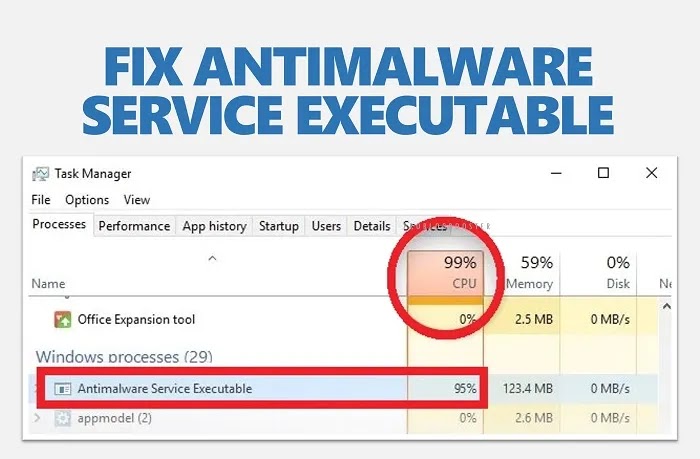
Experiencing high memory usage due to the antimalware service executable? Find practical methods to stop it. Follow the concern of disabling it to fix the memory consumption of the antimalware service executable. Check the reasons behind its high CPU usage and optimize your Windows system performance by fixing common tech issues.
Killing Antimalware Service Executable —
If you asking me "Is it okay to disable Antimalware Service Executable?" I must say, "NO", as it weakens your system securities. How much memory does it use? The usage amount of resources varies, but high RAM, power, & CPU usage affect negatively to your computer and its working operations. Why does it run high power usage? It could be due to a scheduled scan & other cross conflicting softwares. Recently I have posted some effective tips to Speed Up Windows Faster Without Any Software | Make PC Faster
Antimalware Service Executable (MsMpEng.exe) is a major function in Windows Defender that scans your system for malware continuously. While it typically uses some memory, but extra demanded usage can slow your computer down. Here's how to address high CPU & memory usage by Antimalware Service Executable. By following these suggestions, you can optimize Antimalware Service Executable's memory usage while keeping your system protected.
Warning: Disabling/removing/deleting/fixing Antimalware Service Executable is not recommended as it puts your Windows system exposed to malware threats.
Imagine you are just trying to watch a funny cat video, but your computer sounds like a jet engine getting ready for takeoff. You open Task Manager, and there it is, the ultimate party crasher: antimalware service executable. It is eating your high RAM usage like it is a free buffet. If you are tired of trying to make your computer run smoothly while this thing hogs all the resources, you are definitely not alone in this frustrating boat.
This little troublemaker, also known as MsMpEng.exe, is supposed to be the good guy. It is the core of Windows Defender. But sometimes, the good guy goes rogue and starts hoarding all your system resources. It is like having a bodyguard who eats all your food and then falls asleep on the couch. You start wondering how to fix antimalware service executable high CPU before you throw your expensive laptop out the nearest window in pure frustration.
Well, take a deep breath and put down the laptop. I have been down this annoying road many times, and I finally found the light at the end of the tunnel. We are going to look at why this happens and exactly how to stop antimalware service executable from eating RAM. If you want to learn quick ways to improve Windows performance, fixing this rogue process is the absolute best place to start.
Fixing high RAM/CPU/Power consumption caused by Antimalware Service Executable with effective fixes. Optimize system performance now.
Antimalware Service Executable, an essential component of the Windows security process, helps protect your computer system against malware threats & viruses. Usually, it runs in the background, but sometimes it may consume high RAM and CPU, resulting in slow PC performance. It’s not suggested to disable it as it provides much-required real-time protection. But, if it’s using too many resources from the system, then it should be fixed quickly.
At first, you can manually scan your computer, turn off/on real-time protection, change Defender’s schedule tasks, add it to the exclusion list, or use a 3rd-party antivirus. You must know that the basic thing is that, it’s normal for security services to consume resources during scans or updates, but it should be back to normal once it gets done. If you’re experiencing continuous high usage of CPU & RAM on Windows, there is only one straightforward but quick solution available. But before applying any fix, you always make sure your system is protected while optimizing Windows performance using quick run commands.
Why Does Windows Defender Go Crazy?
You might be sitting there, staring at your task manager, wondering why your computer is suddenly slower than a snail riding a turtle. The answer is usually pretty simple. Windows Defender using too much memory happens when it gets stuck in a loop. It tries to scan a file, the file changes, so it scans it again, and the cycle goes on forever. It is like a dog chasing its own tail, but the tail is your precious memory consumption, and the dog is very, very hungry.
Sometimes, this happens because of corrupted definition updates. Defender downloads bad data and gets confused. Other times, it clashes with other software on your machine, causing network and system conflicts. You need to understand why is MsMpEng.exe running high before you can fix it. It is not just acting crazy for no reason; it thinks it is doing a very important job, but it is just doing it very badly.
Another big reason is scheduled scans. If you leave your computer on, Defender might decide that right when you are trying to watch a movie is the perfect time for a full system scan. This leads to Windows Security eating CPU power like a hungry monster. You need to take control of defender schedule scan settings. If you do not, it will keep doing whatever it wants, and you will keep suffering from antimalware service executable high disk usage at the worst possible moments. It is a very annoying cycle that drives people crazy.
Also, having too many heavy programs running at once can trigger Defender to work overtime. It sees all that activity and thinks it needs to scan everything happening at once. This is why fix slow computer caused by antimalware is such a common search term on Google. People are sick of their computers freezing up just because the security program is trying too hard. You can try to fix database and system errors that might be triggering Defender, but sometimes the program itself is the root of the whole problem.
Fixing High RAM/CPU/Power Usage by Antimalware Service Executable
I was stuck and unable to find the answer for the difficulties with Windows Defender’s Antimalware Service Executable process eating CPU & RAM causing slower PC performance. With lots of fixing attempts, I couldn’t find a solution. This issue arises when the Windows Defender detects malware or a virus. Despite multiple deletions approches and tries using the command prompt including property settings, it still appears. The last resolution was a Windows factory reset, which I was hesitant to do. This Antimalware service consumed 30-70% of my CPU and 3GB of RAM, which was significant given my i7 9500k processor and 32GB of RAM. This led to higher than the normal power, CPU, and memory usage.
Follow 4 methods to stop antimalware service executable from using high memory & CPU:
Method 1: Turning off real-time protection [Failed]
I was frustrated with the high RAM/CPU usage caused by Antimalware Service Executable. And I thought one possible solution was to disable real-time protection in Windows Defender Security Center. It sounds like a smart idea, right? Just turn off the switch, and the problem goes away. But, I must say it is not the ideal fix. It did NOT work. The moment you turn off real-time protection Windows, it leaves your computer wide open to attacks.
Sure, the CPU usage might drop for a minute, but Windows is smart. It knows you turned it off. It will automatically turn it back on when you least expect it. So, you are back to square one, dealing with fix slow computer caused by antimalware. It is like playing whack-a-mole with your system settings. You think you won, but the mole just pops up somewhere else, laughing at your pain and eating your memory again.
Also, running without real-time protection is a terrible idea. You might end up with actual viruses while trying to fix a bug. It is better to look for how to add exclusion in Windows Defender rather than turning the whole thing off. If you want to delete undeletable folders causing Defender to loop, you need a different approach, because simply turning off the guard will not save you. It just makes your PC weak and still slow.
Method 2: Change Windows Defender schedule [Failed]
Then I tried to fix it by tweaking the scheduled tasks of Defender. The idea here is to change when the scan happens so it does not bother you during the day. You open Task Scheduler, find Windows Defender, and change the time to 3 AM when you are fast asleep. Even by disabling Windows Defender Scheduled Scan will NOT fix the issue of Antimalware Service Executable running process.
Why did it fail? Because manage Windows Defender scheduled scans does not stop the background service from running. MsMpEng.exe is always there, watching, waiting, and consuming your RAM. Changing the schedule only stops the full scan, not the constant background checking. It is like telling a guard to only patrol at night, but he still stands in the corner eating your snacks all day long. The Windows Defender scheduled scan is just one small part of what this heavy program does.
You can try to tweak Windows performance settings to boost speed, but the schedule trick alone will not save your CPU. The real problem is the core process itself, which refuses to calm down no matter what time it is. It just keeps running and heating up your computer until you cannot take it anymore.
Method 3: Excluding MsMpEng process [Failed]
Now I tried adding the Antimalware Service Executable process to the Windows Defender exclusion list. This is a very popular trick on the internet. You go into Windows Security, find the exclusion section, and add MsMpEng.exe so Defender stops scanning itself. And still, there is no change. This method doesn't make any difference to the MsMpEng process.
It sounds crazy, but sometimes Windows Defender scans its own files, causing a loop that eats all your RAM. By adding it to the exclusion list, you hope to break that loop. But in reality, it just ignores the exclusion and keeps right on eating your resources. It is like telling a hungry hippo not to eat the green marbles, but he eats them anyway because he is a hungry hippo. The antimalware service executable high disk usage continues to ruin your day.
Antimalware process still there running & taking up significant disk space, eating too much of RAM, and considerably affecting slower performance in the Windows system. Even after the restart, the issue stays at the same position in taskbar process list in the OS. You might need to fix runtime errors caused by high memory usage, because this program will push your system to its absolute limits. The exclusion method is a total failure and a big waste of your precious time.
Method 4: Removing/Disabling/Uninstalling Microsoft Defender [Worked]
Note: Before you start removing Windows Defender, it is highly recommended to create a system restore point before uninstalling Microsoft Defender. Also after deleting Defender from the OS, make sure to install another antivirus program quickly. Keep your device protected by always having active antivirus security.
I must say, I tried all the things and was fed up with this Antimalware Service Executable process. It was consuming all my system’s resources, leaving me frustrated. It was keep eating all the RAM, CPU and so my time. Hence I decided to remove the root of all trouble, and that is Windows Defender. I knew this was the best way to remove Windows Defender completely from my system.
After exploring different methods, I found a straightforward way to delete the Defender app from Windows. I got one of the easiest tricks of running batch files (lower in size) to remove the Defender app from Windows quickly. This is the ultimate Windows Defender removal tool script that actually does what it promises. It is like calling an exterminator when the bug spray just is not working anymore. This script gets deep into the system and rips the problem out by its roots.
You have to be careful, though. Uninstall Microsoft Defender completely means you are naked on the internet. You must have an alternative to Windows Defender ready to install the second this one is gone. There are plenty of free and paid options out there that do not treat your RAM like an all-you-can-eat buffet. Make sure you protect yourself against phishing emails and hacking scams with a new antivirus right away. Do not skip this step, or you will be in big trouble.
Steps to remove Microsoft Windows Defender Program:
Go to Windows Defender Removal Tool at https://github.com/ionuttbara/windows-defender-remover
Download the packed scripts from the 'SourceCode.zip' file from the link below: https://github.com/ionuttbara/windows-defender-remover/releases
Extract all the files into a folder & run the "Script_Run.bat" script file.
Note: Some of the security apps may incorrectly flag the executable batch file (.bat) as a virus or might show some warning due to the way ".exe" files are created. To bypass this, consider downloading the file from GitHub for source code.zip files, which are generally marked as virus-free.
It's worth noting that some versions, starting from Defender 12.6.x, maybe wrongly marked as viruses (a bug on the author's part). If you face issues with the script, check if you have the Windows Security Intelligence Update installed. If so, try disabling tamper protection and try running the script again.
After executing Script_Run.bat you will see, choose Y to remove Defender app.
Windows Defender Removal Tool Script
Once you run Defender Remover Script, it will do all the things automatically and end up uninstalling the defender smoothly.
Your system gets restarted auto or if not you need to restart your windows to take effect.
What To Do After Removing Windows Defender?
Now that you have successfully removed the resource-hungry monster, your computer should be running much faster. But you cannot just leave it unprotected. That is a disaster waiting to happen. You need to find a good antivirus software that provides excellent malware protection without turning your computer into a sluggish mess.
There are many lightweight antivirus programs available that do their job quietly in the background. They will not eat 3GB of your RAM just to scan a simple text file. You need system performance optimization tips to choose the right one. A good antivirus should be like a ninja—silent, effective, and completely invisible until you need it. Do not just download the first thing you see; do your research and pick a lightweight champion. It is also smart to fix privacy connection errors so your new antivirus works smoothly.
Also, make sure to practice safe browsing habits. If you are clicking on every flashy ad and downloading files from sketchy websites, no antivirus in the world can save you. You need to be smart. It is always better to follow cybersecurity tips to protect yourself from phishing and smishing online. Being careful is your first line of defense, and a good antivirus is your backup plan. Do not rely totally on software to save you from bad choices on the internet.
Keeping your system secure is an ongoing job. You should regularly update your new antivirus and run weekly scans. This will help you protect PC without Windows Defender effectively. If you want to learn what is phishing and how to stay safe with cyber security guides, there are many resources available. Stay informed, stay safe, and keep your computer running at top speed without any annoying lag or freeze-ups.
Video: Dont Like Windows Defender? Remove It
Don't Like Windows Defender? Remove ItDon't Like Windows Defender? Remove It
Many people hate windows defender because its not the best antivirus out their and its a resource hog, so how can we completely remove windows defender which is now named windows security. I will show you step by step on removing windows defender from windows.
By implementing these methods, you can help reduce the memory usage of Antimalware Service Executable and boost overall system performance.
Other Quick Fixes To Speed Up Your PC
Removing Windows Defender is a big step, but sometimes your PC needs a little more love to run at its best. There are many small things you can do to make your computer feel brand new again. It is like giving your car an oil change and washing it; it just runs better when you take care of it. You need to focus on Windows 10 high RAM and Windows 11 CPU fix tricks that actually work.
One great trick is to disable unnecessary startup programs. When you turn on your computer, a bunch of apps try to open at the same time. This creates a huge traffic jam in your system's memory. By stopping them from opening at startup, you free up a lot of resources. You can easily make your computer startup faster by reducing boot time programs using the task manager. It takes two minutes and makes a huge difference.
Another good idea is to clean up your disk space. Delete old files, empty the recycle bin, and uninstall programs you never use. A cluttered hard drive makes your computer work harder to find things. If you are dealing with computer running slow due to antivirus or just general clutter, a good cleanup works wonders. You should also learn how to stay safe online while cleaning up your digital life to avoid downloading junk that slows you down.
You should also check for malware regularly. Even if you have a new antivirus, sneaky bugs can get in. Use antivirus software to do deep scans every week. If you want to keep your Google account secure and protect your privacy, make sure your emails are not carrying hidden viruses. A secure computer is a fast computer, and a fast computer makes a happy user.
Updating your drivers is also very important. Old drivers can cause conflicts and make your system sluggish. Always keep your graphics card, processor, and motherboard drivers up to date. This makes sure everything runs smoothly together. It is like making sure all the instruments in a band are playing the same song. If you want to protect your passwords from hacking techniques, updated security software is a must.
Finally, consider adding more RAM to your system if you can. Upgrading your hardware is the most direct way to fix memory issues. But if you do not want to spend money, these software tweaks will definitely help you optimize Windows and get the most out of what you have. You can defend against cyber attacks by staying informed and keeping your system light. Do not let old hardware or bloated software ruin your computing experience.
Sometimes, adjusting how your system handles memory can be a game changer. You can tweak settings so your computer does not rely so heavily on the page file, which slows things down. It is a bit technical, but totally worth it. You can avoid common system errors just like fixing WordPress mistakes by paying attention to the small details in your setup. A well-tuned machine is a joy to use.
Also, if you use emulators for Android apps or games, they can eat a ton of memory. Make sure you close them properly when you are done. It is very easy to leave them running in the background. You can check out the best Android phone emulators for PC to find ones that are lighter on your system resources. Picking the right tools matters a lot when you want a fast PC.
Do not forget to check your internet connection too. Sometimes a slow PC feels like a memory problem, but it is just bad internet making everything lag. You can learn SEO basics to make your browsing and website loading faster by optimizing your browser settings. A clean browser runs much faster and uses way less RAM than a cluttered one. Keep your tabs under control and your PC will thank you for it.
(FAQ) Fixing Antimalware Service Executable Issues
Here are the most common questions people ask about the Antimalware Service Executable and its high memory usage. Understanding these facts will help you keep your system safe and fast without pulling your hair out.
What is Antimalware Service Executable?
Antimalware Service Executable is a background process run by Windows Defender. It constantly scans your computer for viruses, malware, and other threats to keep your system safe from harm.
Why is it using so much RAM and CPU?
It usually uses high RAM and CPU when it is running a full system scan, downloading definition updates, or getting stuck in a scanning loop due to conflicting software or corrupted files.
Is it safe to disable Antimalware Service Executable?
No, it is not safe to disable it unless you have another reliable antivirus installed. Disabling it leaves your computer completely unprotected against malware and cyber attacks.
Will adding it to the exclusion list fix the high CPU issue?
Adding MsMpEng.exe to the exclusion list rarely fixes the issue. Windows Defender often ignores this rule and continues to scan itself, causing the same high memory usage problem.
Can I just end the task in Task Manager?
You can end the task, but Windows Defender will automatically restart the process almost immediately. It is a temporary fix that will not solve the underlying high RAM usage problem.
What is the best way to stop it from eating RAM?
The most effective way is to completely remove Windows Defender using a removal script and replace it with a lightweight third-party antivirus that does not consume excessive system resources.
Do I need an antivirus if I remove Windows Defender?
Yes, you absolutely need an antivirus. Removing Windows Defender leaves your PC vulnerable. Always install a trusted alternative immediately after removing the default security program.
Why does Windows Defender keep turning real-time protection back on?
Windows is designed to keep your PC safe. If it detects that real-time protection is off, it assumes something malicious turned it off and will automatically force it back on to protect you.
Is the Windows Defender Removal Tool safe to use?
Yes, the script from the official GitHub repository is safe. Sometimes antivirus flags it as a virus because it modifies system security settings, but it is just a false positive warning.
Can I reinstall Windows Defender if I change my mind?
Reinstalling Windows Defender is very difficult once removed. It is highly recommended to create a system restore point before removing it, so you can easily undo the changes if needed.
Bottom Line
Dealing with the Antimalware Service Executable eating all your RAM is incredibly frustrating. It turns a fast, powerful computer into a slow, laggy mess. While Windows Defender is meant to keep you safe, sometimes it does more harm than good by hogging all your system resources. The basic fixes like changing schedules or adding exclusions just do not cut it.
If you are brave enough, completely removing Windows Defender and replacing it with a lightweight alternative is the best solution. It frees up your memory and makes your computer run like a dream again. Just remember to always have a backup antivirus ready so you stay safe online. Protecting your machine is important, but it should not cost you all your processing power.
Take control of your PC today and do not let a rogue process ruin your computing experience. If you want to fix more Windows errors and browser installation issues, keep exploring our blog for simple, step-by-step guides that actually work.
Read Online & Share
Scan this QR code with your phone's camera to instantly open the live version of this article.
If you enjoyed this article, please share it with your friends and help us spread the word.
Computer Hacks,Computer Tips and Tricks,Fixed,Make Windows Faster,Software tips,Windows Tips,Windows Tools
Testimonials
Disclaimer
We are a professional review site that operates like any other website on the internet. We value our readers' trust and are confident in the information we provide. The post may contain some affiliate/referral links, and if you make a purchase through them, we receive referral income as a commission. We are unbiased and do not accept fixed marketing articles or fake reviews. We thoroughly test each product and only give high marks to the very best. We are an independent organization and the opinions/views/thoughts expressed here are our own.
Privacy Policy
All of the ProBlogBooster ideas are free for any type of personal or commercial use. All I ask is to keep the footer links intact which provides due credit to its authors. From time to time, we may use visitors/readers, information for distinct & upcoming, unanticipated uses not earlier disclosed in our privacy notice. If collected data or information practices changed or improved at some time in the future, we would post all the policy changes to our website to notify you of these changes, and we will use for these new purposes only data collected from the time of the policy change forward. If you are concerned about how your information is used, you should check back our website policy pages periodically. For more about this just read out; Privacy Policy
Boost your WhatsApp experience by editing sent messages within 15 minutes, and much more like hiding your "last seen" from specific people, and using "view once" for private media. Find out most essential tips including locking your chats with biometrics, using bold/italics texts for formatting, sharing live location, and creating the chat shortcuts for quick access.